
數字裡的韓國
外國遊客在韓國的美容錢花在哪 —— 8 個數字
信用卡公司、保健福祉部和首爾市的 2026 年資料在幾個月內先後公佈。放在一起看,就知道錢流向了哪裡——以及沒有流向哪裡。
millio 店家價目
- 剪髮₩30,000~165,000 · 18 家
- 染髮₩20,000~308,000 · 18 家
- 燙髮₩100,000~660,000 · 18 家
- 頭皮 SPA₩44,000~310,000 · 15 家
- 吹整造型₩25,000~110,000 · 12 家
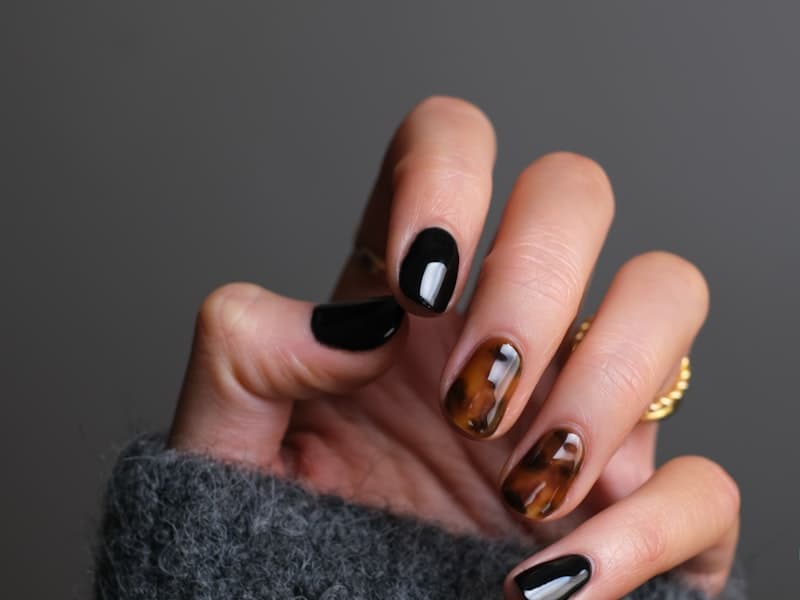
- 凝膠美甲₩15,000~80,000 · 9 家
- 睫毛燙₩30,000~70,000 · 10 家
- 接睫毛₩44,000~150,000 · 3 家
- 眉毛燙₩30,000~45,000 · 7 家
- 做臉₩90,000~700,000 · 9 家
- 韓服租借₩10,000~35,000 · 3 家
- 包廂搓澡₩77,000~205,000 · 4 家
先說結論:不是花在頭髮上。外國遊客在韓國服務業刷卡的金額,約四成進了皮膚科,美髮、美甲、美容店只分到 6%。光是 2026 年 5 月一個月,外國人在韓國皮膚科的消費就達 1452 億韓元,創下新高,較去年同期成長 46.3%;同期訪韓人數只成長 19.4%。
這已經不是小眾現象。到訪首爾的外國人中,使用過美容服務(美髮、按摩等)的比例從 2019 年的 3.6% 升到 2025 年的 18.5%;串接 KCD(韓國信用資料)Cashnote 服務的全國商家,海外信用卡刷卡金額從 2023 年 1 月到 2026 年 6 月成長了 9.6 倍——這是那些商家的數字,不是全國總額。以下數字一律以韓元計,取自 2026 年 3 月至 8 月公布的信用卡業者與政府資料,每一項都註明統計期間。
- 01服務業外國人刷卡金額中,皮膚科佔 40%,美髮美甲美容只佔 6%2026 年 8 月一份涵蓋全國約 32.8 萬家商家的分析顯示,韓國服務業的海外信用卡消費有一半以上集中在醫美:皮膚科 40% 加上整形外科 14%,兩者合計 54%。醫美以外另外計算:其他醫院診所 9%、美容業(美髮、美甲、皮膚管理店)6%、藥局 6%。這是全國的數字,不只是首爾。
- 02皮膚科和皮膚美容看起來很像,帳單卻完全是兩回事皮膚科是有醫師的醫療機構,做雷射、打針,會開處方。皮膚美容(也就是做臉、皮膚管理店)沒有醫師,算在那 6% 的美容業,而不是 40% 那一欄。統計把兩者分開算,你的預算也該分開。在約 330 萬人的刷卡資料中,2026 年上半年皮膚美容的消費金額較去年同期成長 109.8%。
- 03服務業單筆消費,外國人平均 16.6 萬韓元,本地居民 4.7 萬韓元相差 3.5 倍;在健康醫療領域,差距更拉大到約 8 倍(2026 年 8 月,全國統計)。這衡量的是一筆付款的金額,不是一項服務的價格——遊客和本地居民買的本來就不是同一類東西。所以行程裡有診所的那天,抓幾十萬韓元;只是剪個頭髮的那天,抓幾萬韓元就夠。
- 04首爾剪一次頭髮約 3 萬韓元,一整套美髮套餐 10 萬~15 萬韓元這是 2026 年 3 月的首爾行情:一般剪髮 3 萬韓元上下,套餐在 10 萬~15 萬韓元之間。在紐約、洛杉磯、倫敦這些大城市,剪髮只加一個基礎護髮,往往就要 100~200 美元,再加上小費,接近 30 萬韓元。明洞一家美髮店表示,預約客人中九成以上是外國人。
- 052026 年上半年成長最猛的不是診所,而是藥局依消費金額和去年同期相比:藥局+1176.9%、韓方醫療+193.1%、皮膚美容+109.8%、整形外科+35.5%。改用付款筆數這把尺來看,醫療為 +75.2%,體驗與休閒為 +121.7%。整體而言,根據 BC 卡自家的資料(單一發卡機構,不是所有發卡機構的合計),訪韓外國人的刷卡金額成長 53.6%,筆數成長 40.3%。
- 062025 年韓國接待 201 萬名外國患者,依科別來看,皮膚科佔 62.9%保健福祉部統計的實際患者人數,自 2009 年開始統計以來首次突破兩百萬。各科別的比例是另一套算法,算的是就診人次而不是人數(同一位患者看兩科就算兩次),所以並不是把這 201 萬人拆成幾份。以人次計:皮膚科 62.9%(131.3 萬人次)、整形外科 11.2%(23.3 萬人次)、內科合計 9.2%(19.2 萬人次)。和前一年相比,皮膚科成長 86.2%、牙科 79.0%、整形外科 64.3%,皮膚科正把整形甩在後面。中國與日本患者合計佔總數的 60.6%。
- 07外國人刷卡金額的三分之二,落在一百家裡的那一家有名的店,對誰都有名。同一份 2026 年 8 月的分析中,排名前 1% 的商家拿下外國人刷卡金額的 66.9%,前 10% 拿下 90%。地區分布也一樣集中:截至 2026 年 6 月的一年內,全國外國人刷卡消費有 65% 發生在首爾,其次是京畿 11%、釜山 8%、濟州 5%。
- 08首爾 1.1532 兆韓元的那個四月,購物佔 45.4%,醫療與健康佔 24.8%2026 年 4 月,首爾的外國人刷卡消費達 1.1532 兆韓元,較去年同期成長 50.5%。佔比為購物 45.4%、醫療與健康 24.8%、餐飲 13.1%、住宿 11.0%,美容類別成長 35.0%。購物這一半有很大一塊是化妝品——CJ Olive Young 實體門市銷售中的外國人佔比,從 2022 年的約 2% 升到 2025 年的約 25%,2025 年 1 至 11 月外國人購買金額突破 1 兆韓元。
資料來源
本文由 millio 依據下列報導撰寫,原文請見連結。
- 外國人在韓刷卡消費三年增 9.6 倍 — 各業種占比、客單價與消費地點先驅經濟 · 2026年8月(韓國信用數據分析)
- K 美髮店成為歐美遊客必訪行程 — 首爾觀光財團調查與價格比較韓國經濟新聞 · 2026年3月
- 不整形,改逛皮膚科和藥局 — 2026 上半年外國人刷卡消費增 54%世界日報 · 2026年8月(BC 卡分析)
- 2026 年 5 月,外國人在韓國皮膚科消費 1,452 億韓元今日財經 · 2026年7月(韓國觀光公社資料)
- 2025 年在韓外國患者突破 200 萬人 — 按科別與國籍保健福祉部新聞稿 · 2026年4月
- 2026 年 4 月首爾外國遊客消費 — 1 兆 1,532 億韓元,按業種細分旅行休閒新聞 · 2026年6月
- Olive Young 外國人銷售額突破 1 兆韓元 — 占實體店銷售比重由 2% 升至 25%CJ Olive Young 新聞稿 · 2025年12月
首爾其他可預約的店家
用你看得懂的語言,訂下那 6%
millio 上的美髮、美甲、皮膚管理店和攝影工作室,都把價目表逐項翻譯好,決定之前就能看清楚。提出最多三個你方便的時段,由店家確認其中一個——不需要韓國手機門號,也不用傳韓文私訊。
瀏覽全部店家下一篇精選
7 件要知道的事2026.09.04
2026 年在首爾剪一次頭髮多少錢:官方平均 24,462 韓元,為什麼你會被報價 5 萬
韓國消費者院每個月都在統計首爾女士剪髮的價格。2026 年 6 月是 24,462 韓元,男士剪髮 13,231 韓元。鎖定遊客的沙龍收兩到三倍,而同一家店同一個剪髮能有三個價。數字、原因,以及怎麼讀懂韓國的價目表。
6 件事2026.08.14
去年有兩百萬人為韓國的皮膚而來 —— 他們實際預約的是什麼
韓國保健福祉部統計,2025 年外國患者達 201 萬人,其中 62.9% 去了皮膚科。在照搬這份行程之前,有幾個數字值得重新讀一遍。
7 件要知道的事2026.09.04
韓國退稅和你的美容之旅:手術退稅結束了,沙龍從來沒有,購物仍然可以
從 2026 年 1 月 1 日起,外國患者做美容項目和所有人一樣要付韓國 10% 的加值稅。剪髮、美甲、臉部護理從來不在退稅範圍。帶回家的商品仍然可以退,單筆收據 1.5 萬韓元起。界線在哪,七點說清。