
Enzyme bath2026.10.09
What is a Korean enzyme bath? 8 things to know before your first visit
A Korean enzyme bath is a hot soak in fermenting sawdust or rice bran — you lie buried to the neck for about 15 minutes. What a first visit is like, what to wear, what it costs and how to book it in English.
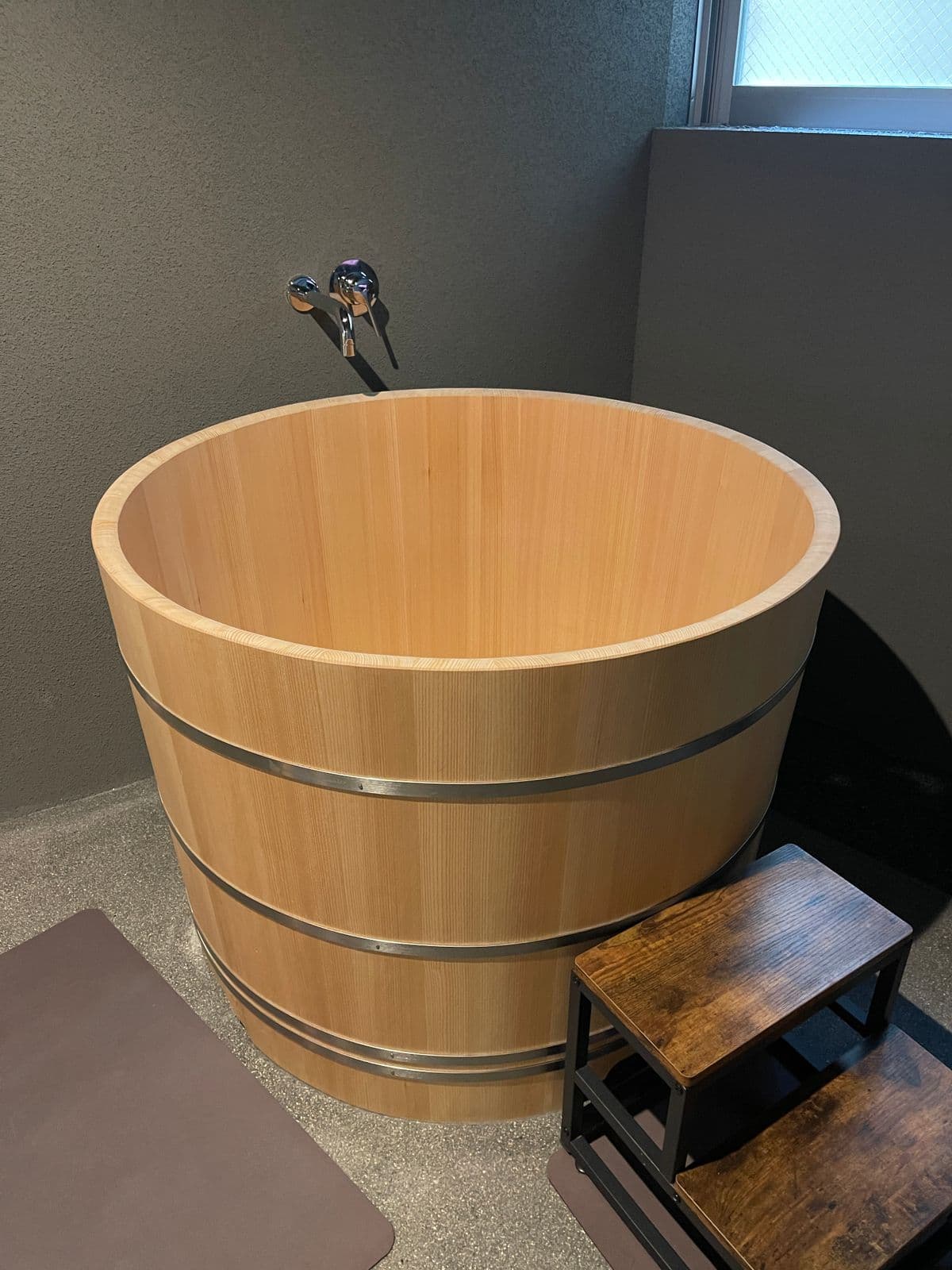
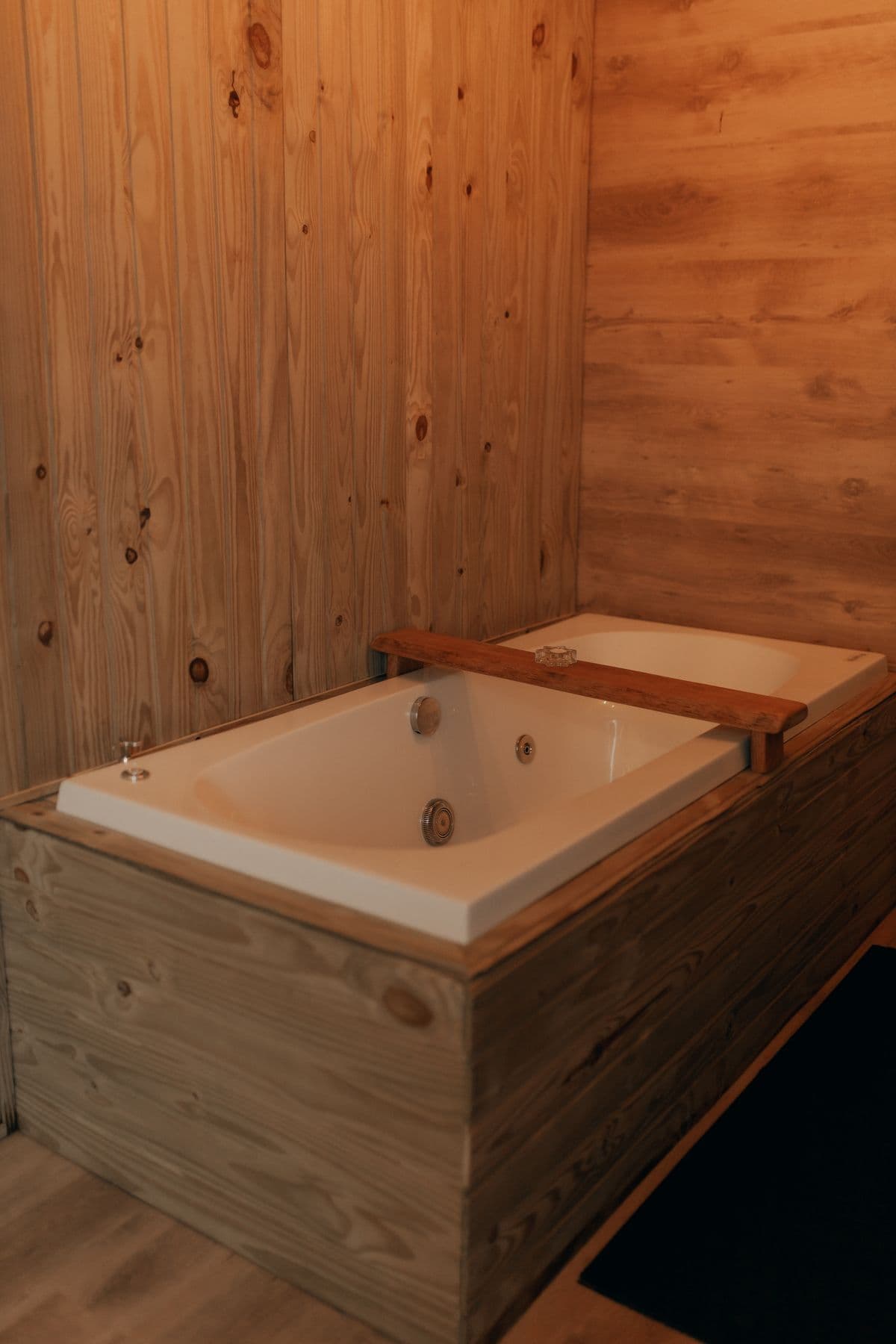
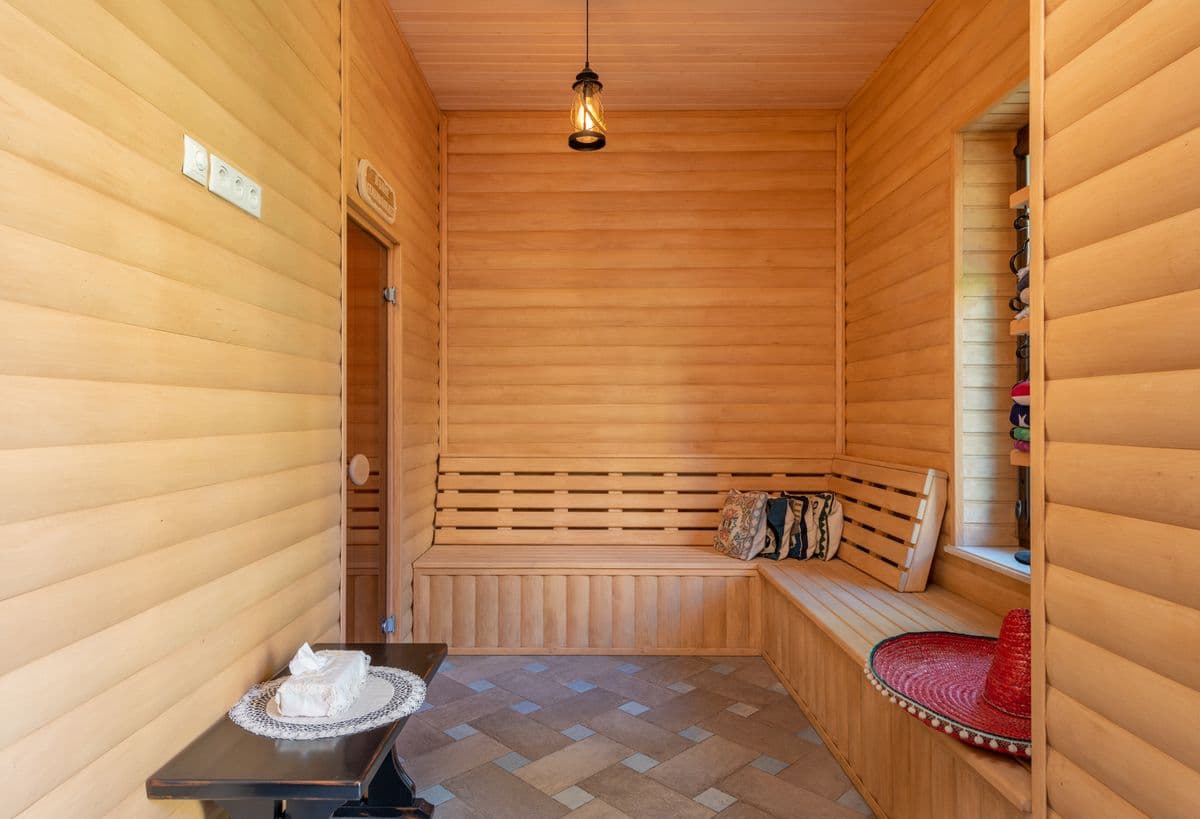
Enzyme baths used to be a habit of middle-aged and older Koreans. In the first quarter of 2026, people in their 20s and 30s made 47.5% of card payments at enzyme bath shops, up from 30.1% in the first quarter of 2023 — an analysis by Shinhan Card's big data research institute, reported by the Korea Herald. When a Korea JoongAng Daily reporter went to book, many Seoul spas were full for weeks.
From outside it looks strange: a person buried to the neck in warm sawdust. Eight things to settle before your first time.
- 01A tub of fermenting sawdust or rice bran — the fermentation is the heaterKorean sources call it 효소찜질 (hyo-so jjim-jil) or 효소욕 (hyo-so-yok); in English it is an enzyme bath or enzyme spa. The bed is hinoki cypress sawdust, rice bran and herbs mixed with microorganisms, and the heat comes from the microbes fermenting it: 40–70°C (Korea Herald), with no electric or gas heater (Korea Tourism Organization). The mix varies by shop — the Seoul spa the Korea JoongAng Daily visited used a rice-bran mix with green tea and Siberian ginseng. You lie in a wooden box, staff cover you, and only your face stays out.
- 02Hot, heavy, sweaty — and you can stop when you need toThe JoongAng reporter's bed was 62–63°C at her session; staff said it can reach 70°C earlier in the day. The first minutes felt like a dry sauna, then the heat built, her chest felt heavy and her heels hurt. Speak up early: arms can come out of the bed, and Allure Korea says to ask the therapist to adjust the time if it is too hot. A Korea Tourism Organization travel article describes staff laying a towel on a spot that is too hot, and guests who can't manage the full 15 minutes leaving early. One visitor was told not to move once buried, because friction adds heat — ask at the start how still you need to be.
Book this
- 03A visit runs 60–90 minutes; the bed itself is about 15The order: change, put on a hair cap, lie in the bed for about 15 minutes (Allure Korea says 15–20; JoongAng says some places go 20 or more), brush the mix off, shower, rest. The JoongAng reporter's whole visit took about 90 minutes, with tea, a leg massage, a heated compress and a face mask after the bed. The Stars and Stripes reporter's took about an hour: 15 minutes buried, then roughly 30 lying or sitting on top of the mix to cool down. What surrounds the bed is each spa's own set.
- 04You strip down to a hair cap and disposable underwear — the spa provides bothAt the Seoul spa JoongAng visited, guests undress down to a hair cap and disposable underwear, both provided; some spas hand out sauna clothes or a cover-up instead. The cap keeps the mix out of your hair and ears, Allure Korea notes. The Stars and Stripes reporter was given spa clothing and a hair covering too. So there is nothing special to pack — ask the shop what it provides.
- 05Water before, a shower after — and a smell that can last until the next dayA Japanese magazine reporter was handed a cup of water before going in, because heavy sweating follows. Afterwards you brush the mix off and shower: hot water only at the spa JoongAng visited, open communal showers at the rice-enzyme spa Stars and Stripes described — ask which you are getting. Some Korean spas serve salted water afterwards (Allure Korea); JoongAng's served hot rooibos tea. She was warned the smell can last until the next day, though she barely noticed it — plan the evening accordingly.
- 06Pregnant, or have a heart or blood-pressure condition? Ask firstNone of the reports we read says who should skip it. The JoongAng reporter's heart was pounding and she felt slightly dizzy when she stood up, and the last minutes in the bed felt suffocating to her. If you are pregnant, or have a heart, blood-pressure or circulation condition, ask the shop and your doctor before you book, and tell the staff on the day.
- 07Same method as Japan's 酵素風呂 — each Korean spa wraps its own set around itThe Korea JoongAng Daily calls the enzyme spa a Japan-born treatment, and a Japanese magazine describes the same recipe: rice bran and sawdust fermenting at about 60°C, which felt like 41°C, for roughly 15 minutes. What you notice in Korea is the set around the bed. The spa JoongAng visited followed it with tea, a leg massage, a heated compress and a face mask; others add foot baths or saunas. JoongAng puts prices at ₩35,000–₩100,000, depending on the spa and what is included — ₩65,000 at the Gangnam spa it visited. The Korea Herald cites one Seoul enzyme bath house at ₩100,000.
- 08Bookable on millio: The Gyeol in Incheon, outside SeoulThe Gyeol Incheon, in Incheon's Yeonsu-gu district, is the enzyme bath you can book in English on millio — and it is outside Seoul, so check the route first. On millio's menu (2026-10-09), Signature A and B pair the bath with one care session at ₩82,000 and ₩86,000 for 60 minutes, Signature C adds a private body scrub at ₩111,000 for 90, and the ten lines run up to ₩241,000 for 150 minutes. Every line takes a ₩30,000 deposit. Each line bundles other care, so compare time and contents, not just price — and ask the shop what the bed is made of and how long you are in it. Popular Seoul spas were full for weeks (JoongAng), so book as soon as your dates are set.
Sources
Written by millio from the reporting linked below. Follow the links for the originals.
- Enzyme baths heat up as latest wellness trendThe Korea Herald · 2026-06-13
- Buried alive for wellness: Enzyme spas offer hot, claustrophobic way to detoxKorea JoongAng Daily · 2026-05-11
- The treatment female idols are hooked on right now is, apparently, this kind of hot bath?!Allure Korea · 2026-01-23
- A cypress-sawdust enzyme bath for a warm winter — travel articleKorea Tourism Organization (Korean travel site) · updated March 2019
- My experience at Korean rice enzyme spaStars and Stripes Korea · 2024-07-09
- I tried it: why the 'enzyme bath' that warms you to the core feels so goodSerai.jp (Shogakukan) · 2016-12-20
Book this
Book an enzyme bath in English
Pick a menu and a time, and let the shop confirm.
Browse enzyme bathsNext pick
8 things to know2026.10.09
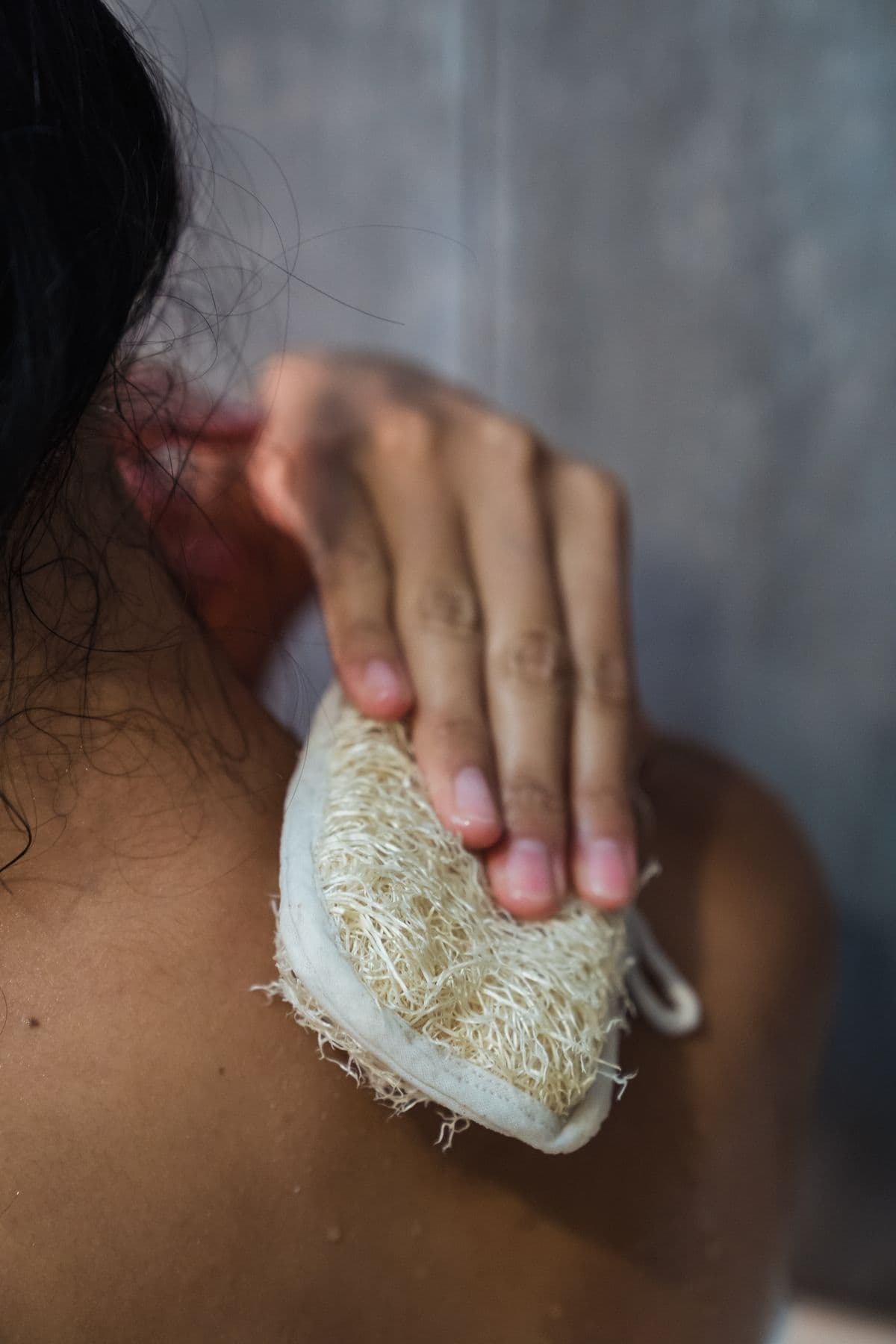
Private Korean body scrub: what to expect in a one-person room
A private Korean body scrub (seshin) is a one-on-one session in a room of your own: soak, scrub, rinse, often more. It is normally booked ahead, runs 50 to 150 minutes and costs more than the bathhouse kind. What to wear, what it costs, and the one place on millio that sells it, which is not in Seoul.
8 things2026.08.24
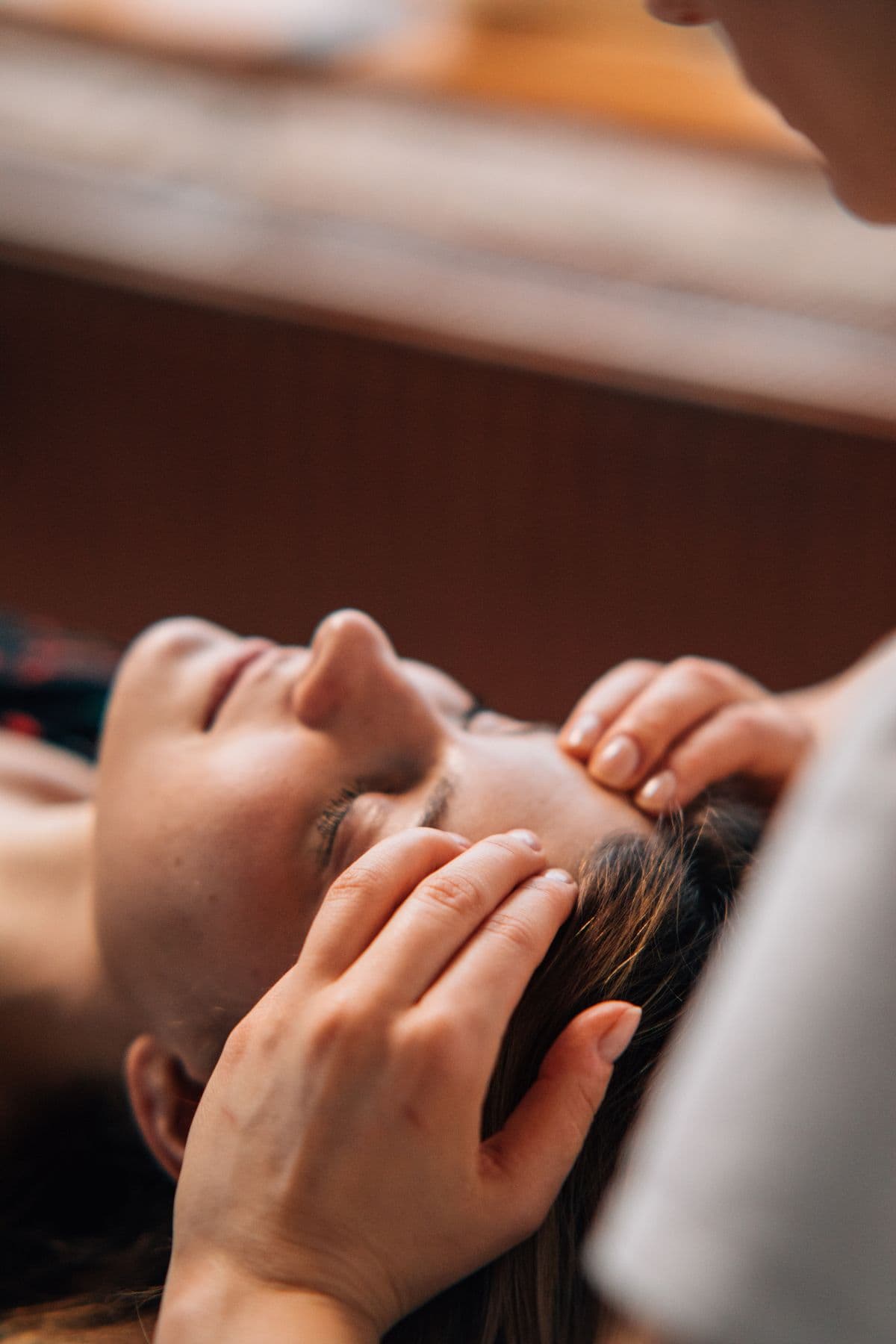
Korean head spa in Seoul — what it costs, how long it takes, 8 things to settle first
It is not a shampoo and it is not a hair-loss cure. It is a staged scalp treatment sold three different ways on a Korean menu, and the stage count is the price.
8 things2026.08.26
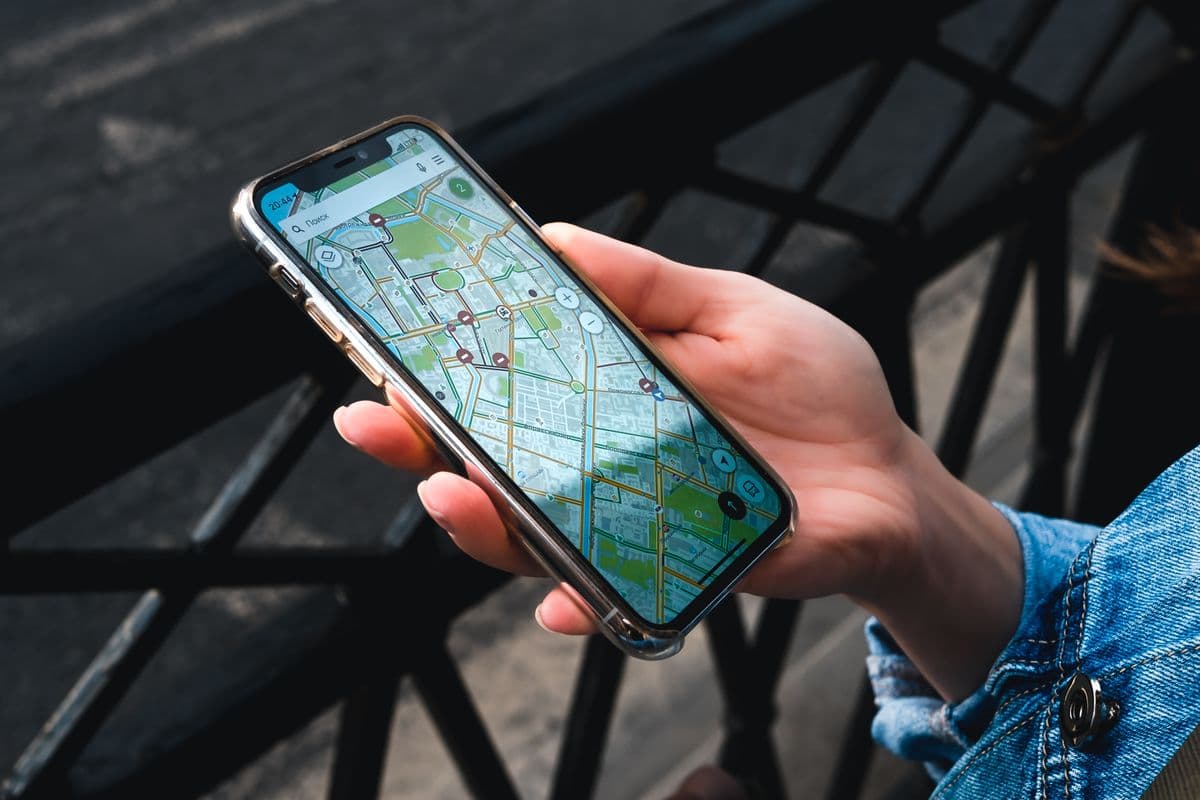
Booking a Korean beauty salon without a Korean phone number
One of the two walls came down on 4 June 2026. Here is which one, what is still standing, and what to set up before you land.